
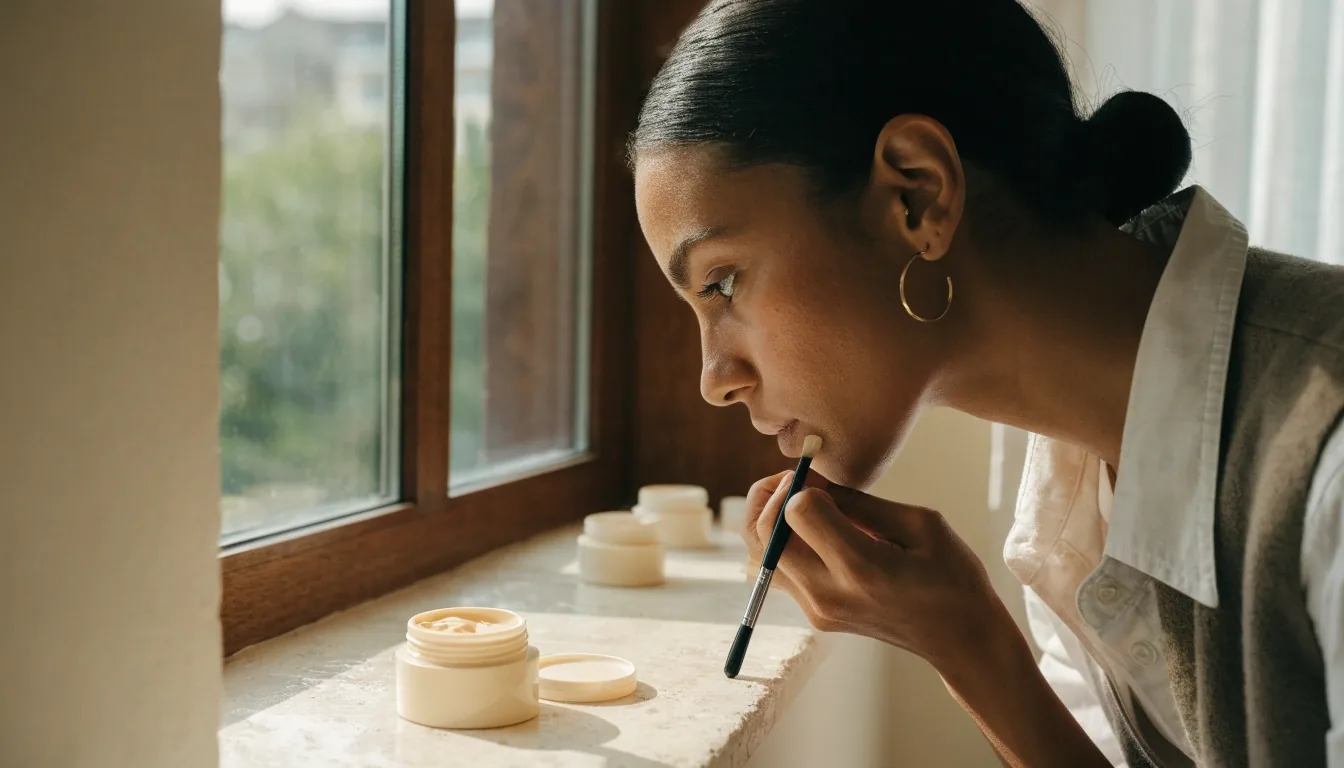
Complexion Shade Selection
Choosing Your NARS Complexion Shade
Shade selection goes wrong when people start with the number. Start with your undertone, then your coverage need, then your finish. That order cuts a thirty-shade range down to a handful of real candidates in about two minutes, using the NARS complexion lineup that sits under every blush and lip color on this journal.
The number on the jar is the last thing to decide. Undertone first, coverage second, finish third — then the shade almost picks itself.
Two minutes of ordering beats thirty minutes of guessing, and it keeps a single wrong swatch from sending you home with a shade that only works under store lights.
Step one: find your undertone
Look at the inside of your wrist and the base of your neck in daylight. Veins reading blue with a pink or rosy cast mean you lean cool. Veins reading green with golden or yellow skin mean you lean warm.
If it is genuinely hard to tell, you are probably neutral, which is the most common answer and the least useful one on its own — neutral skin can usually wear shades from either side, so the next two steps do the real sorting for you.
Do the check before coffee, not after a workout. Flushed skin shifts what you see at the wrist and sends people toward shades that are too pink for their neck.
Cool
Blue veins, pink cast
Shades described as rose, pink or cool beige tend to sit better. Warm golds can pull orange on you by mid-afternoon.
Warm
Green veins, golden cast
Shades described as golden, honey or warm sand match the neck line. Very pink bases tend to read ashy against your skin.
Neutral
Mixed or unclear veins
You have the widest working range, which is why finish and coverage matter more than the name on the label. Test two directions.
Step two: name your coverage need
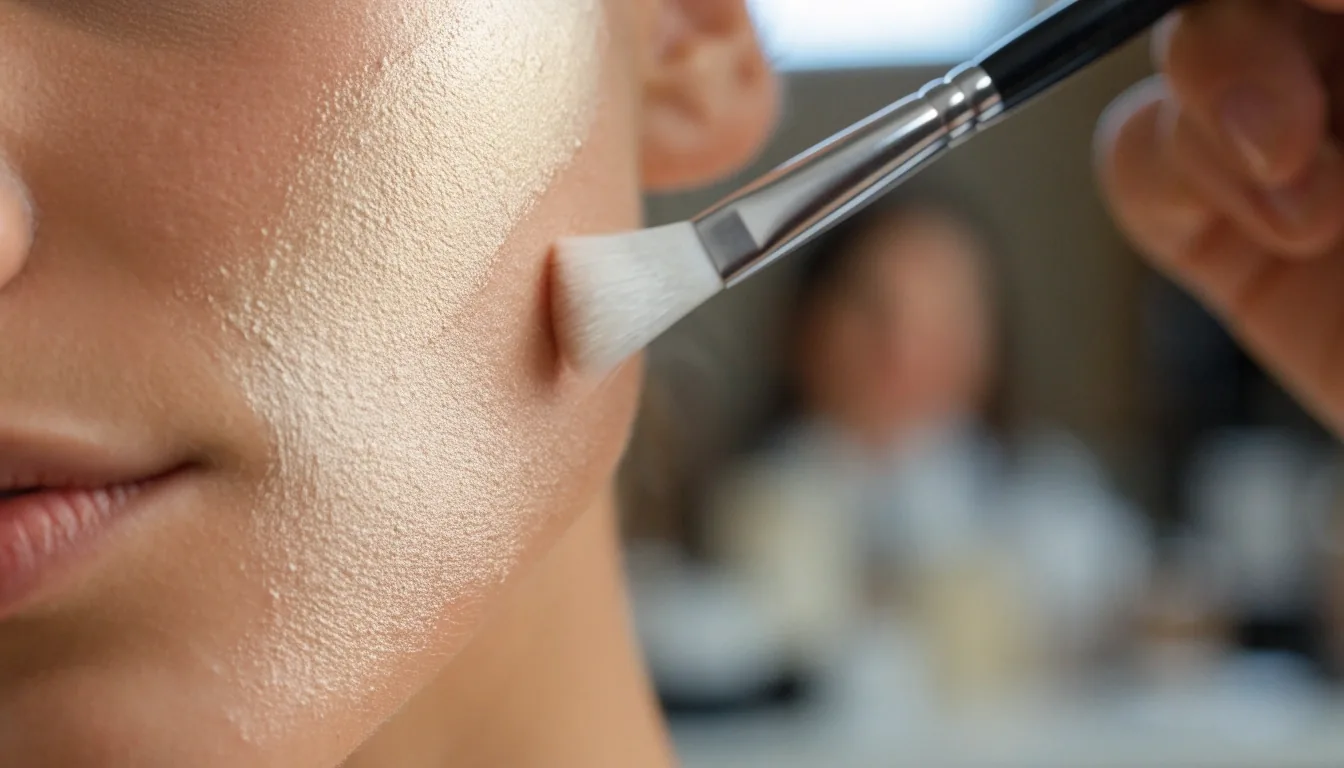
Medium coverage softens discoloration while letting some skin show. Full coverage covers what is underneath more completely. Be honest about which one you want, because the two answer different problems.
Medium
Softens, still shows skin
Good for evening out redness and mild unevenness while keeping the look like skin. If you want a spot fully hidden, medium is usually not the formula that gets you there.
Full
Covers what is underneath
Built for blemishes, deeper marks and areas that need real coverage. Applied thin with a small brush it stays believable; applied everywhere it changes the whole texture of the face.
People who ask for full coverage often mean "cover this one spot," and people who ask for medium often want more than the formula can give. Coverage is a per-area decision, not a whole-face one.
Step three: choose your finish
Skinlike, radiant and matte are the three broad directions. Skinlike mimics bare skin, radiant reflects light and reads softer, matte reflects less and holds longer through a long day.
Your skin type usually decides this for you. Dry skin tends toward radiant, oily skin toward matte, and normal skin can go either way depending on the season. This is the part of NARS makeup selection that people most often skip, and it is the reason a correct shade can still look wrong.
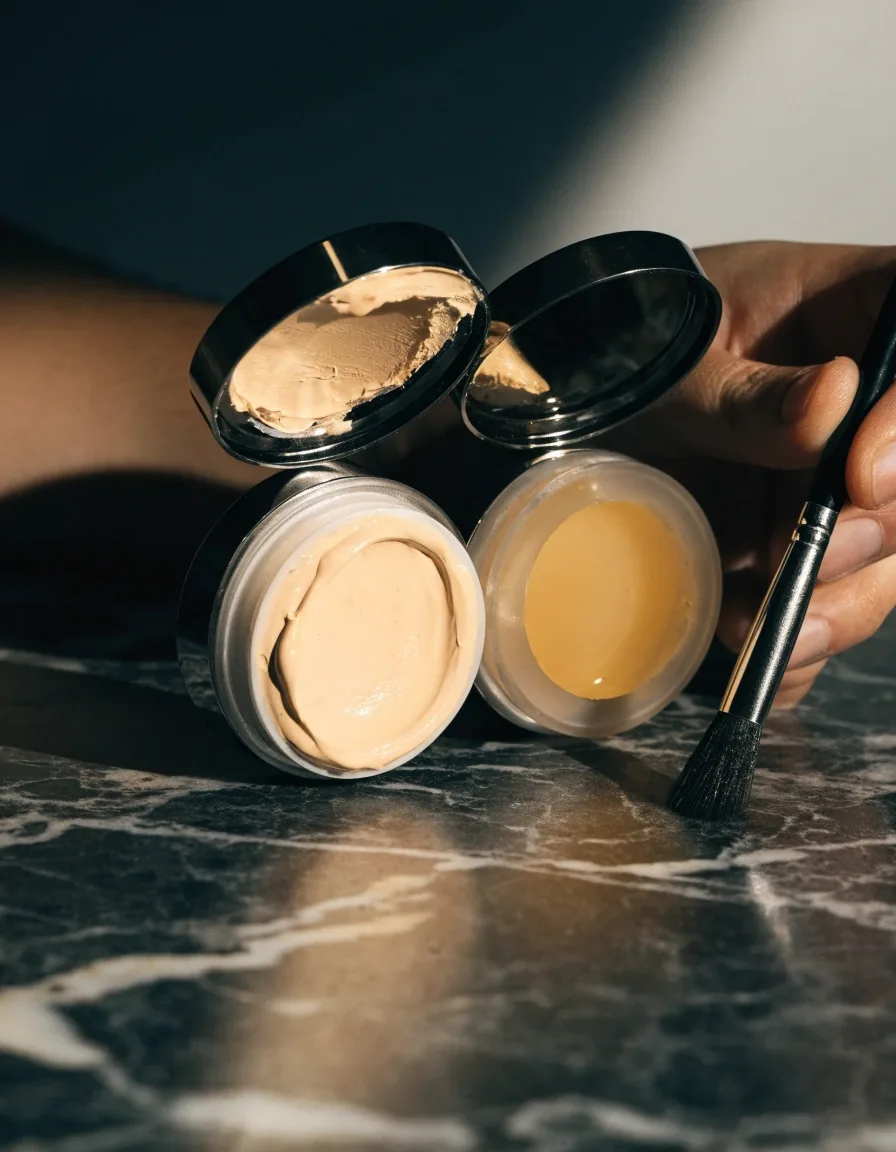
Cream textures sit differently than liquids at the same depth of coverage. Test the texture you will actually wear all day, not the one on the tester at the counter.
Skinlike
Closest to bare skin. Reads as your face on a good day rather than a made-up face.
Radiant
Reflects light and softens the look of dryness. Comfortable on dry and mature skin.
Matte
Reflects less light and holds longer. The usual choice for oily skin and humid weather.
Concealer shade ranges
Radiant Creamy Concealer is sold in 33 shades and is commonly used to brighten under the eyes. Soft Matte Complete Concealer is listed with 30 shades and is positioned as full-coverage longwear. The ranges overlap heavily but are not identical, so check both rather than assuming your number carries across.
Radiant Creamy Concealer
Shade range
33 shades
Radiant finish, most often chosen for brightening under the eyes. Reflects light, so it softens shadows rather than flattening them.
Soft Matte Complete Concealer
Shade range
30 shades
Matte finish positioned as full-coverage longwear. Reflects less light, so it reads denser over marks and stays put longer.
Overlap is heavy. Your number in one range is a useful starting point in the other, never a guarantee.
Compare the two concealersUnder-eye versus blemish matching
These two areas often need different shades, and treating them as one decision is where most mismatches start.
Under the eyes
Frequently chosen one step lighter than your foundation to brighten shadows. Applied with a light touch — heavy product under the eye creases and reads older, not brighter.
On a blemish
Should match your skin exactly. A lighter shade on a spot draws attention to it, which is the opposite of what concealer is for.
One product for both
Perfectly workable. Match your skin for the blemish job, then use a lighter touch under the eyes so the same shade does not sit too dark there.
Testing in daylight
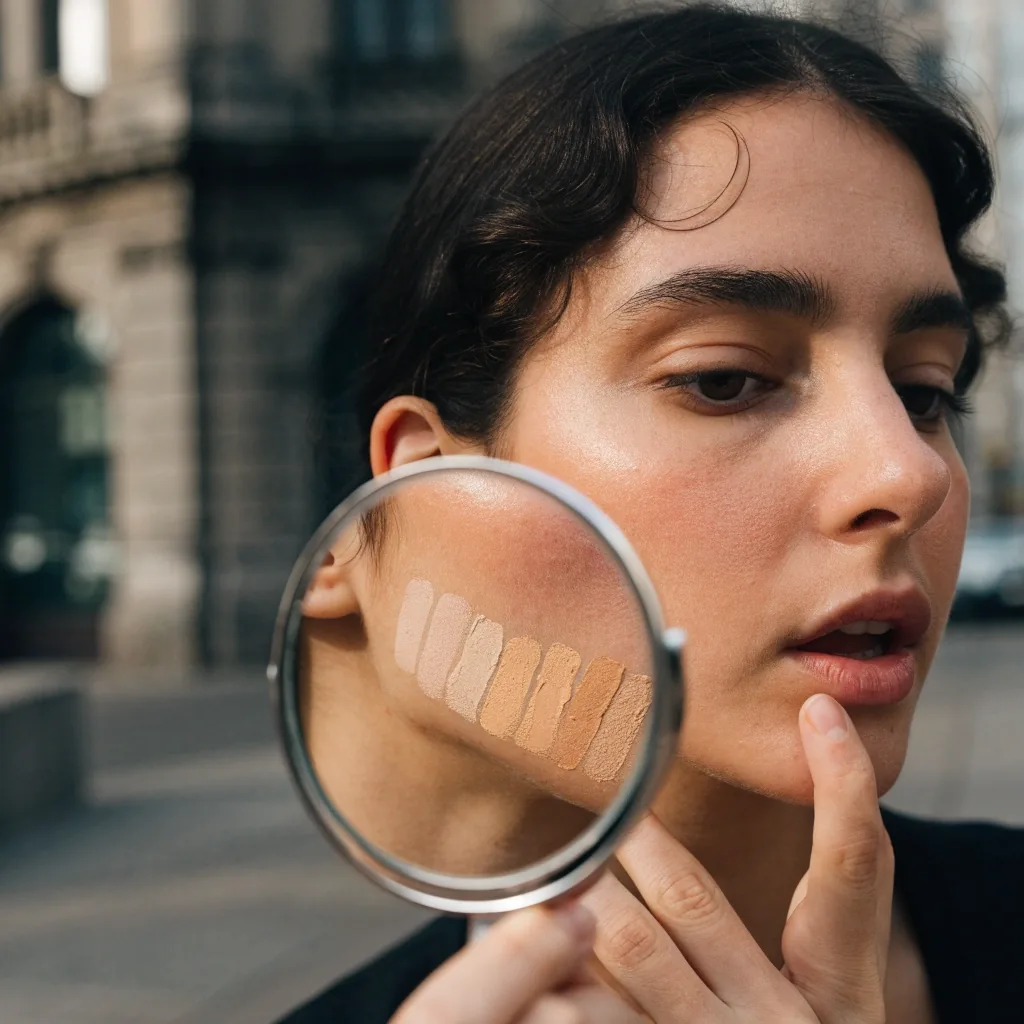
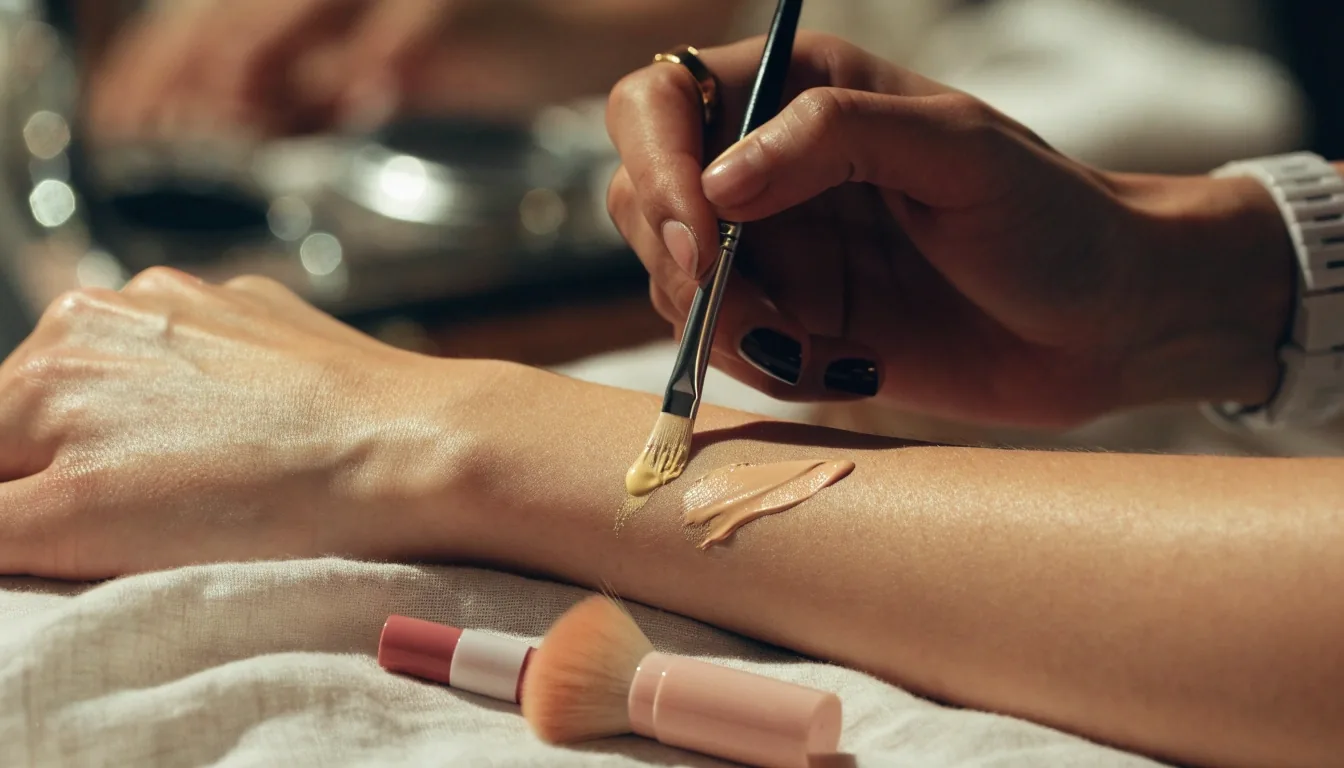
Store lighting is warm and forgiving, which is exactly why so many matches fail at home. Swatch on your jawline, then step outside and look in natural light.
Check the neck line too. A shade that matches your face but not your neck creates a visible edge that no amount of blending fixes. If the counter allows it, wear the swatch for a few hours before you decide — oxidation and oil show up later in the day.
Ask for a sample of the front-runner shade rather than committing on the spot. A day of wear answers more than a mirror under store lights.
How base finish affects blush
Blush sits on top of your base, so the base changes how it reads. Over a matte foundation a luminous blush stands out more. Over a radiant base the whole face glows.
If you want balance, keep the base matte and let the cheek carry the light, or reverse it. Two reflective layers at once is the usual cause of a look that reads as shiny rather than glowing, and it is the fastest way to make a correct shade look like the wrong one.
Peachy-pink cheek
Flatters a wide range of undertones, though the effect shifts. Cooler skin pulls the pink forward; warmer skin pulls the peach forward.
Deeper skin tones
Pale pinks often need a slightly heavier hand to keep the color from turning ashy against deeper skin.
Cream and cream-to-powder
Tend to sit better on dry or textured skin than flat powders, which can catch on dry patches.
Where to read more
The cheek product most often paired with these bases has its own walkthrough.
Read the Orgasm shade guideAdjusting for season and climate
The shade that works in a humid July is not always the one that works in a dry February. Many people go one step more hydrating in winter and one step more matte in summer.
If you live somewhere with real seasons, that adjustment is more useful than hunting for a second perfect match. Keep the shade, change the finish, and the base keeps working year round.
Matching across formulas
The same shade name can read differently in different formulas because the base and finish change how pigment appears. This is why a concealer match does not automatically mean a foundation match.
Bring your existing product with you when testing something new, and compare them side by side rather than from memory. Memory flatters, and it flatters in the direction of the product you already own.
When to ask for help
If you have tried three shades in the same range and none of them settle, the problem is usually the finish rather than the color. Ask for a second opinion at a counter and bring the product you currently wear. Two swatches side by side answer more questions than any chart, and a counter that will not let you step into daylight with a swatch on is not the counter to buy from.
Ask about a specific shadeA short checklist before you commit
Four checks, and each one removes a category of wrong purchase. If a shade passes all four, it will keep working after the first week — which is the point where most failed matches show themselves.
-
Confirm the undertone direction
Cool, warm or neutral, decided at the wrist and neck in daylight before you look at any shade number.
-
Confirm coverage level per area
Decide which areas need full coverage and which need medium. One face rarely needs the same answer everywhere.
-
Confirm the finish suits your skin type
Radiant for dry, matte for oily, either for normal. The wrong finish will undo a correct shade within hours.
-
Confirm the match in daylight
Jawline swatch, then outside, then check the neck line. Store lights are the most common reason a shade fails at home.
Questions we hear most
Short answers to the four things readers ask before they buy a NARS complexion product.
How many shades does NARS offer in concealer?
Radiant Creamy Concealer is listed in 33 shades and Soft Matte Complete Concealer in 30. The ranges overlap heavily but are not identical, so check both rather than assuming a number carries across.
Should under-eye concealer be lighter than my foundation?
Often yes, one step lighter to brighten shadows. Blemish concealer should match your skin exactly, because a lighter shade on a spot pulls the eye straight to it.
Why does my shade look wrong at home?
Store lighting is warm and tends to flatter. Swatch on the jawline, then check in daylight and along the neck line — the edge between face and neck is where a mismatch shows first.
Can I use the same shade across different formulas?
Not automatically. Base and finish change how pigment appears, so compare products side by side rather than from memory. Bring what you already wear when you test something new.
Where to go next
You have the order: undertone, coverage, finish, daylight. If you want to go deeper on a specific step, the rest of the journal picks it up from here.
Compare the two concealers
Radiant Creamy against Soft Matte Complete, side by side on finish, coverage and staying power.
Read the Orgasm shade guide
How the cheek shade most often layered over these bases behaves on cool, warm and deep skin.
How we research and update guides
Where the shade counts and product details in this guide come from, and when we revisit them.