
Radiant Creamy Concealer
Medium coverage, hydrating, and reflective on the skin. Built for the under-eye area and for anyone whose skin runs dry or tight by mid-afternoon.
33 shades listed
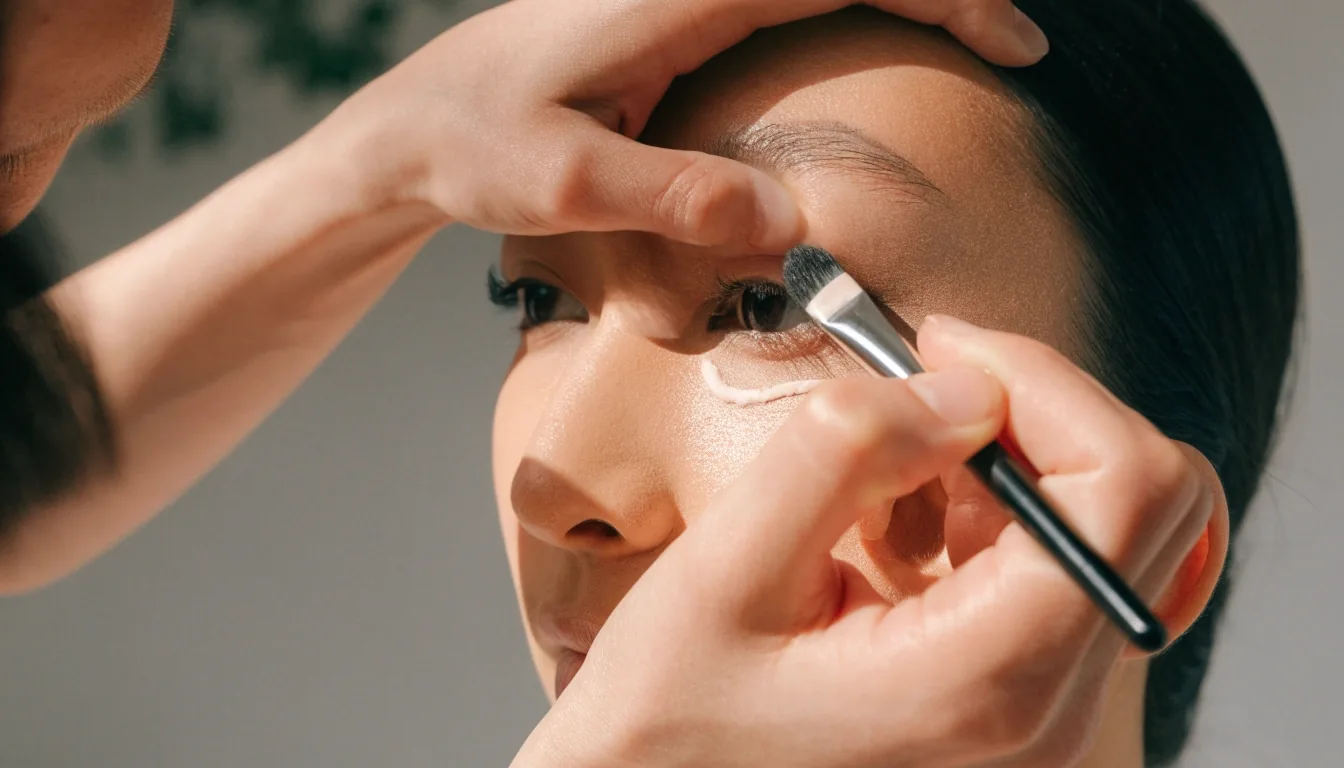
NARS Concealer Comparison
Two NARS concealers get compared constantly, but they are not rivals. One is the hydrating medium-coverage option, the other a full-coverage longwear formula. The choice comes down to where you apply it and how your skin behaves by afternoon.
If your main target is under-eye brightness and you like a hydrating feel, take Radiant Creamy. If your main target is a blemish or a spot that needs opaque, lasting coverage, take Soft Matte Complete.
Many people keep both, using one under the eyes and the other only where needed. That pairing is not indecision. It is zone matching, and it is the single habit that resolves most of the frustration people report with concealer.
Radiant Creamy Concealer
Medium coverage, hydrating, and reflective on the skin. Built for the under-eye area and for anyone whose skin runs dry or tight by mid-afternoon.
33 shades listed
Soft Matte Complete Concealer
Full coverage, matte, and longwear. Built for a specific spot that needs to stay covered through a long day rather than blend across a wide area.
30 shades listed
Match the formula to the zone, not to the whole face.
Under-eye skin is thin and moves when you smile. A blemish is a small, fixed area that has to stay covered. Those two jobs rarely want the same texture, which is why so many people end up owning both tubes.
Medium coverage softens discoloration and shadows while letting some skin show through. Full coverage covers what is underneath more completely. That distinction matters most on the under-eye area, where heavy coverage can look flat if the skin is dry, and on blemishes, where lighter coverage may not hold through a full day.
Coverage is also a question of where the product sits relative to the skin's own texture. Medium coverage blends into the surface and reads as softness. Full coverage builds a layer above it, which is why it stays on a spot but can look like a patch if it is dragged over a large, dry area.
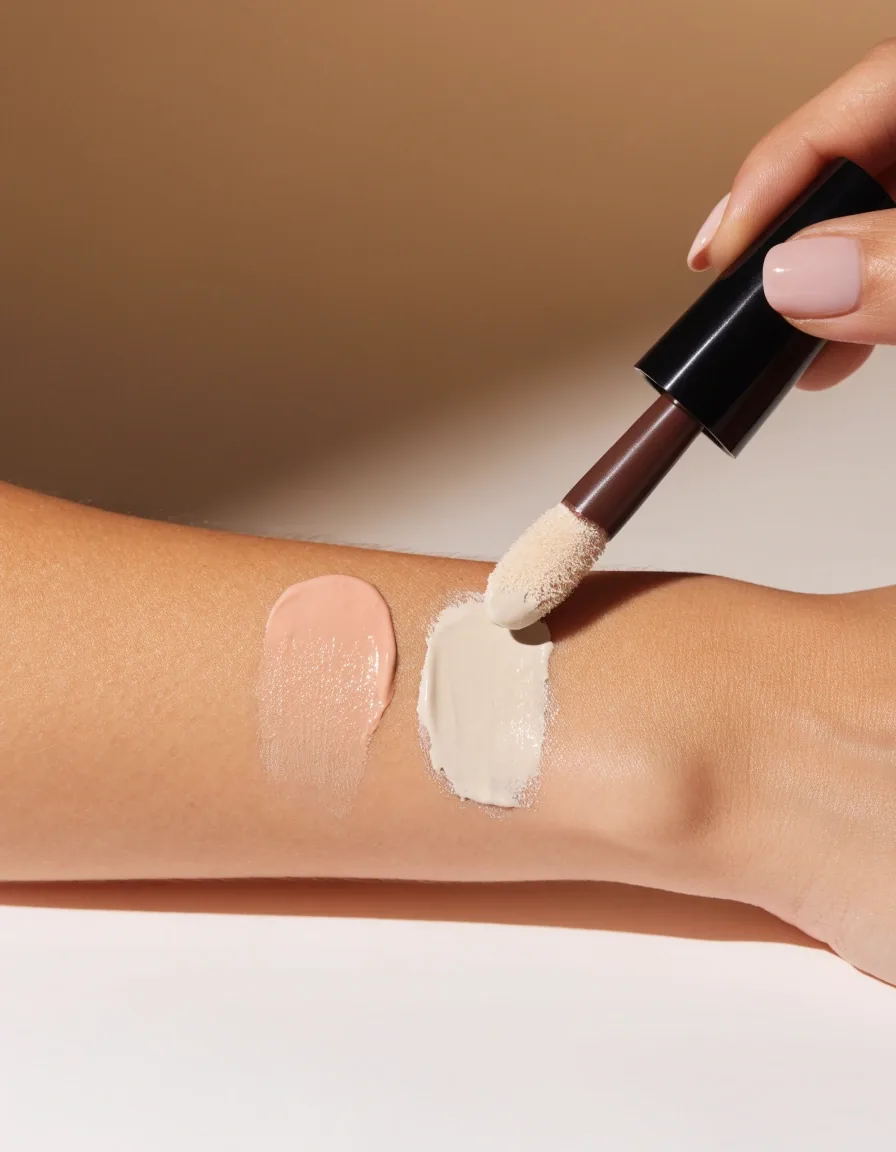
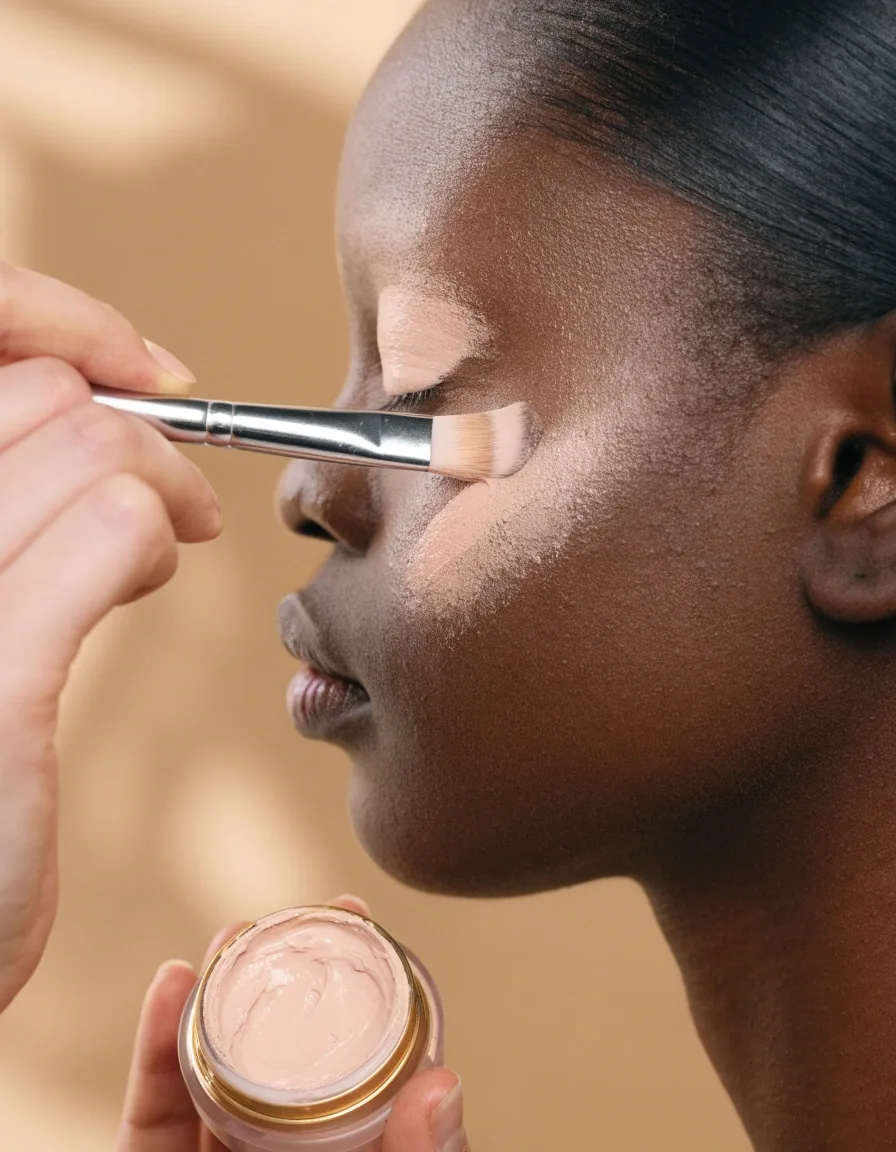
Radiant Creamy is positioned as hydrating, which reads as a softer, more reflective finish on the skin. Soft Matte Complete is a matte longwear formula, and matte surfaces reflect less light.
On textured or dry areas, a matte finish can emphasize what is underneath, which is the single most common reason someone prefers the creamier formula under the eyes. Under-eye skin is thin and rarely smooth, so any finish that scatters less light will show more of its grain.
The reverse is true on a blemish. There, a reflective finish can catch the light and draw attention, while a matte surface blends the spot into the surrounding tone. Neither finish is better. They behave differently in different places.
Radiant Creamy Concealer is sold in 33 shades. Soft Matte Complete Concealer is listed with 30. The ranges overlap heavily, but they are not identical, so a shade that matches you in one formula may not exist in the other. Check both before assuming your usual number carries across.
Shades listed
33
Radiant Creamy Concealer
Shades listed
30
Soft Matte Complete Concealer
Overlap
Heavy
But not complete. Verify your shade in both formulas before buying.
If you already know your number in one range, start there when you test the other, then compare on your jaw in daylight rather than under a store light. The complexion shade selection guide walks through undertone matching if the number alone is not landing.
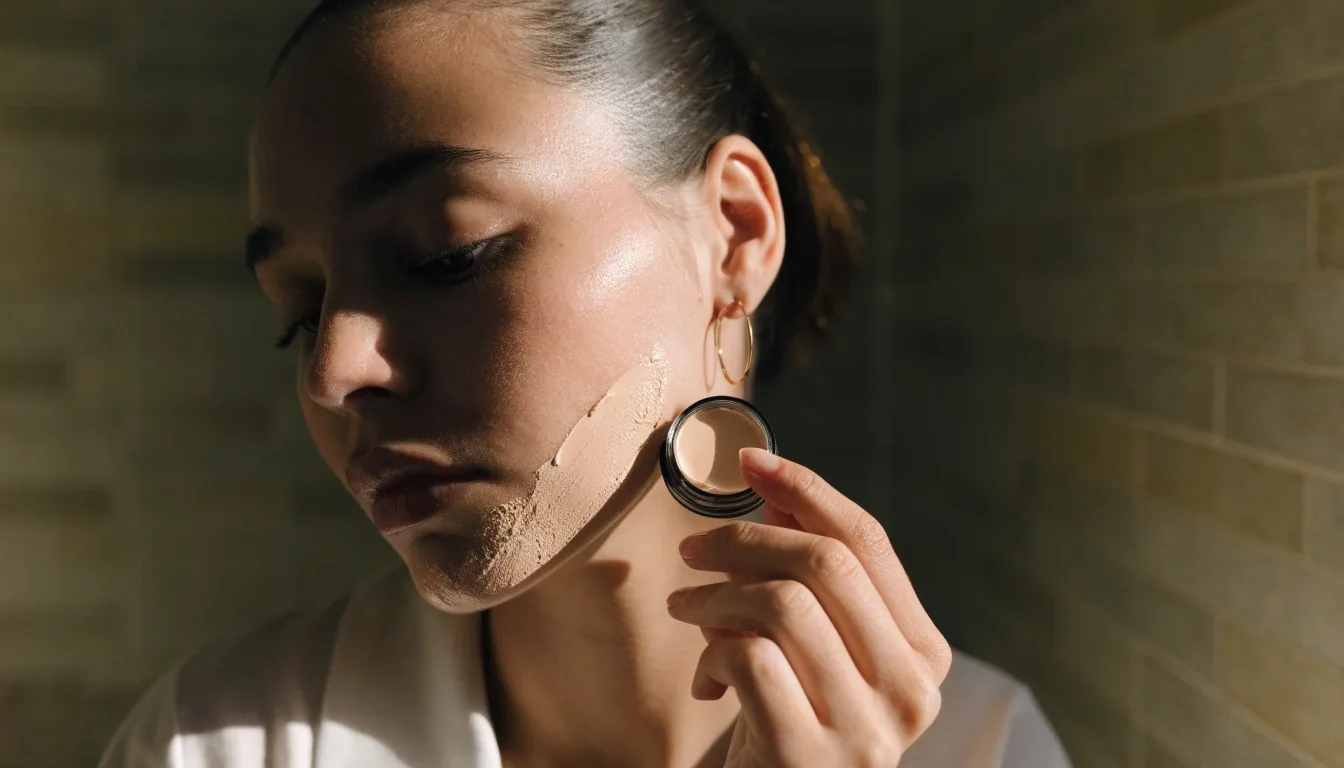
Usually get along with the hydrating formula, especially in winter or in air-conditioned offices where skin tightens through the day.
Often prefer the matte option because it resists breaking down through the day, particularly on the T-zone and around the nose.
The useful move is to use the creamy formula only under the eyes and the matte one on blemishes. One face, two zones, two textures.
Under-eye skin is thin and moves when you smile, so what sits there needs to be flexible. Apply in small amounts and build rather than layering a thick stripe at once. Radiant Creamy is commonly used for this area because the hydrating positioning suits it.
If you do use the matte formula here, keep the layer thin and set only where you crease. Powder everywhere under the eye is what turns a matte concealer into a dry-looking patch by lunchtime.
This is where Soft Matte Complete earns its place. Full-coverage longwear formulas are built to stay put on a specific spot rather than blend across a large area.
Its formula positioning includes hyaluronic acid, which is worth noting if you assume all matte products are drying. Apply with a small brush directly on the spot, tap the edges, and leave the center alone.
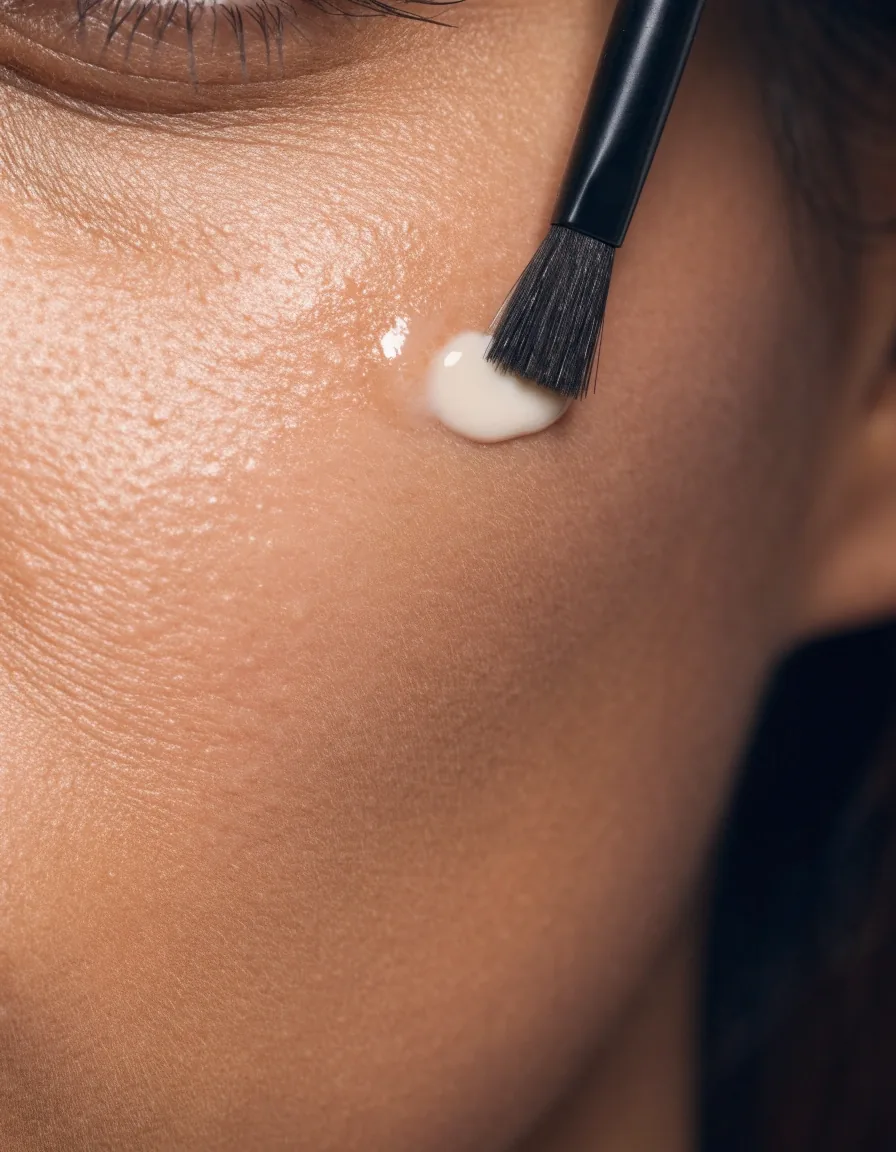
Fingers work well for the creamy formula because body heat helps it blend. A small synthetic brush gives more precision for the matte one, particularly on blemishes. Whichever you use, work in thin layers. Concealer that looks heavy is usually a layering problem, not a formula problem.
Tap cream concealer onto the back of your hand before the face. The texture thins slightly and spreads further with less product.
A dragging motion lifts the layer underneath and leaves a visible edge. Pressing the product in keeps the boundary soft.
One light pass, look at it, then add a second only where it is needed. Two thin layers outlast one thick one and look calmer on the skin.
Longwear is a positioning claim, not a promise about your specific day. Humidity, oil, touching your face, and what you applied underneath all affect how long any concealer stays. A formula that holds through a dry office afternoon may not hold through a warm commute home.
A mattifying primer under the matte formula and a hydrating base under the creamy one will each extend wear in their own direction. Read what you layered underneath as part of the result, not as a footnote to it.
Two show up often, and both come from judging a formula in the wrong place rather than from the product itself.
Matte under dry eyes
Using a matte longwear concealer under dry eyes and concluding the product is bad, when the finish is simply wrong for that area. Thin the layer, set only the crease, or switch to the creamier formula there.
Hydrating over an oily blemish
Applying a hydrating concealer to an oily blemish and watching it migrate by lunch. Match the formula to the zone, not to the whole face, and this stops being a problem.
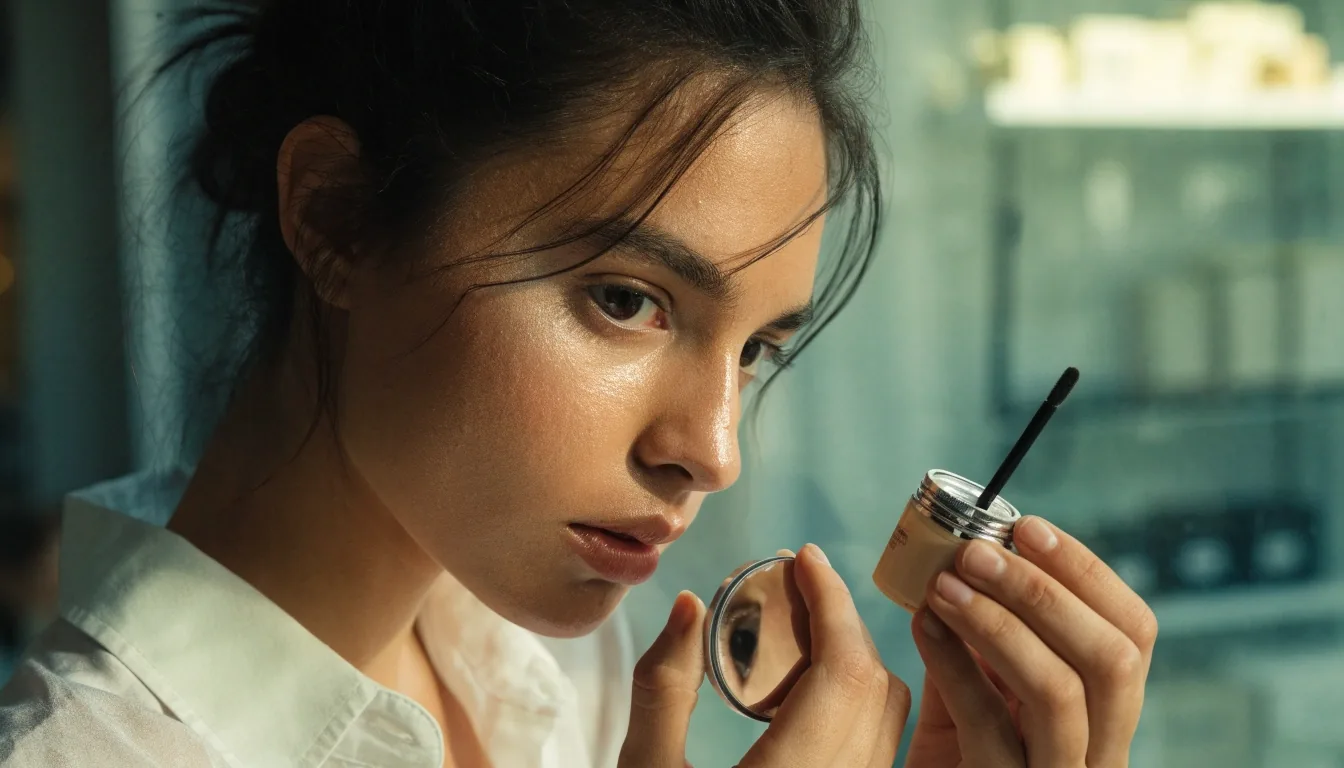
Test both on the same day, one under each eye, and check in daylight rather than under store lighting. Then put a small amount of the matte formula on any spot you normally cover. Wait a few hours before judging. Concealer decisions made in the first ten minutes tend to be wrong.
One under each eye
Same day, same light, so the two finishes are judged against each other rather than against memory.
Step into daylight
Counter lighting flatters almost everything. Near a door or window is where a finish shows its real texture.
Test on a real spot
Put the matte formula on something you actually cover. A clean patch of skin tells you very little about coverage.
Wait before judging
A few hours of wear answers the question a swatch cannot: how the formula behaves once your skin warms up.
Buy the one that matches your main concern. If you cover under-eye circles more often than blemishes, that is Radiant Creamy. If blemishes are your priority and under-eye coverage is occasional, Soft Matte Complete will do more work for you. The single-product choice is easier once you name the problem out loud.
Choose this if
Under-eye is your priority
Radiant Creamy Concealer. Medium coverage, hydrating, and the formula most people reach for in the morning around the eye area.
Read the complexion shade guideChoose this if
Blemishes are your priority
Soft Matte Complete Concealer. Full coverage, matte, and built to sit on a specific spot through a long day.
Compare cheek formulas nextThe four that come up most often about these two formulas, answered plainly.
You can, but keep the layer thin and set only where the product creases. The matte finish can emphasize dryness in that area.
No. Radiant Creamy Concealer is listed in 33 shades and Soft Matte Complete Concealer in 30, with heavy but not complete overlap.
Soft Matte Complete, particularly for blemishes and areas that break down during the day. The matte longwear positioning resists movement better than a hydrating formula.
Its formula positioning includes hyaluronic acid, so it is not automatically drying. On very dry or textured skin, a thin layer works better than a full one.
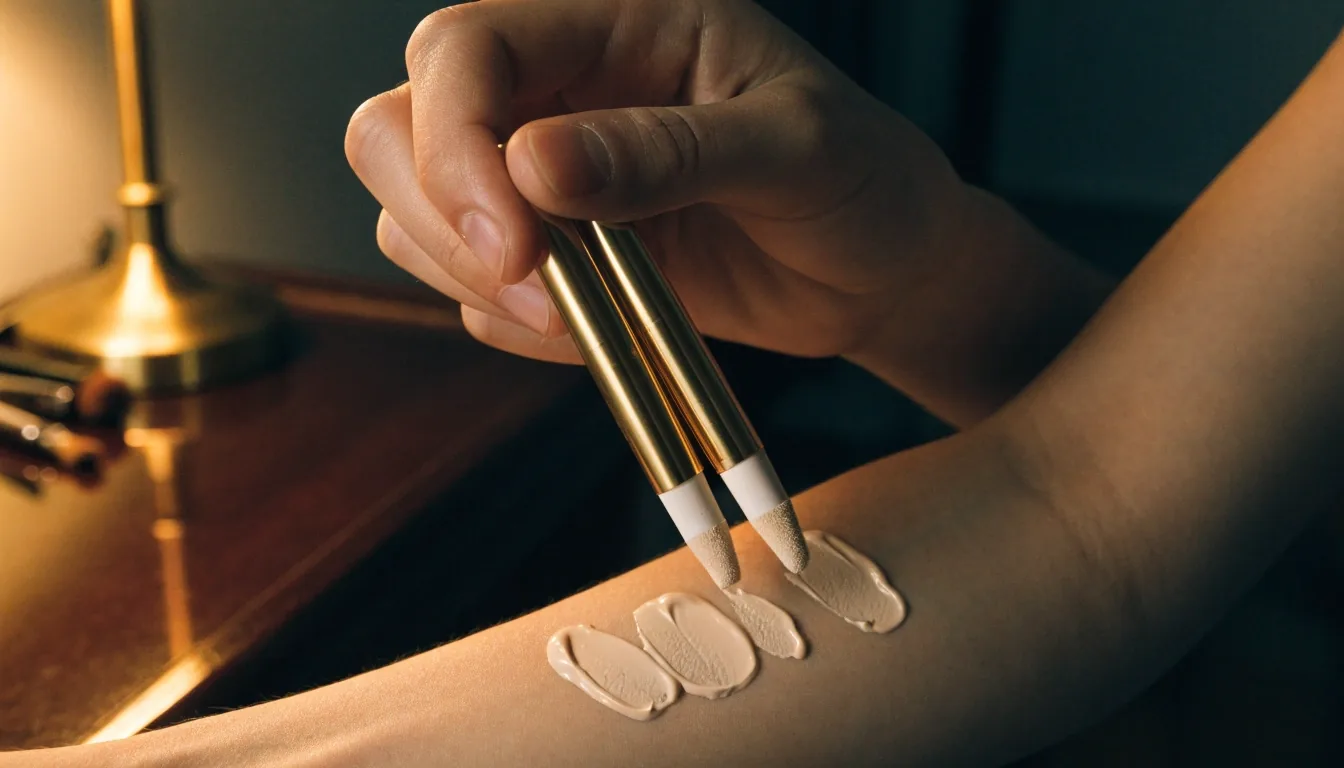
Tell us how you use concealer, what your skin does by afternoon, and whether under-eye coverage or spot coverage matters more. We answer questions about coverage by email during working hours.
NARS Cosmetics Journal
482 Broadway, Suite 3B
New York, NY 10013, USA
Questions and hours
Monday–Friday: 9:00 AM – 6:00 PM
+1-212-555-0198
[email protected]