NARS Cosmetics Journal NARS Cosmetics Journal
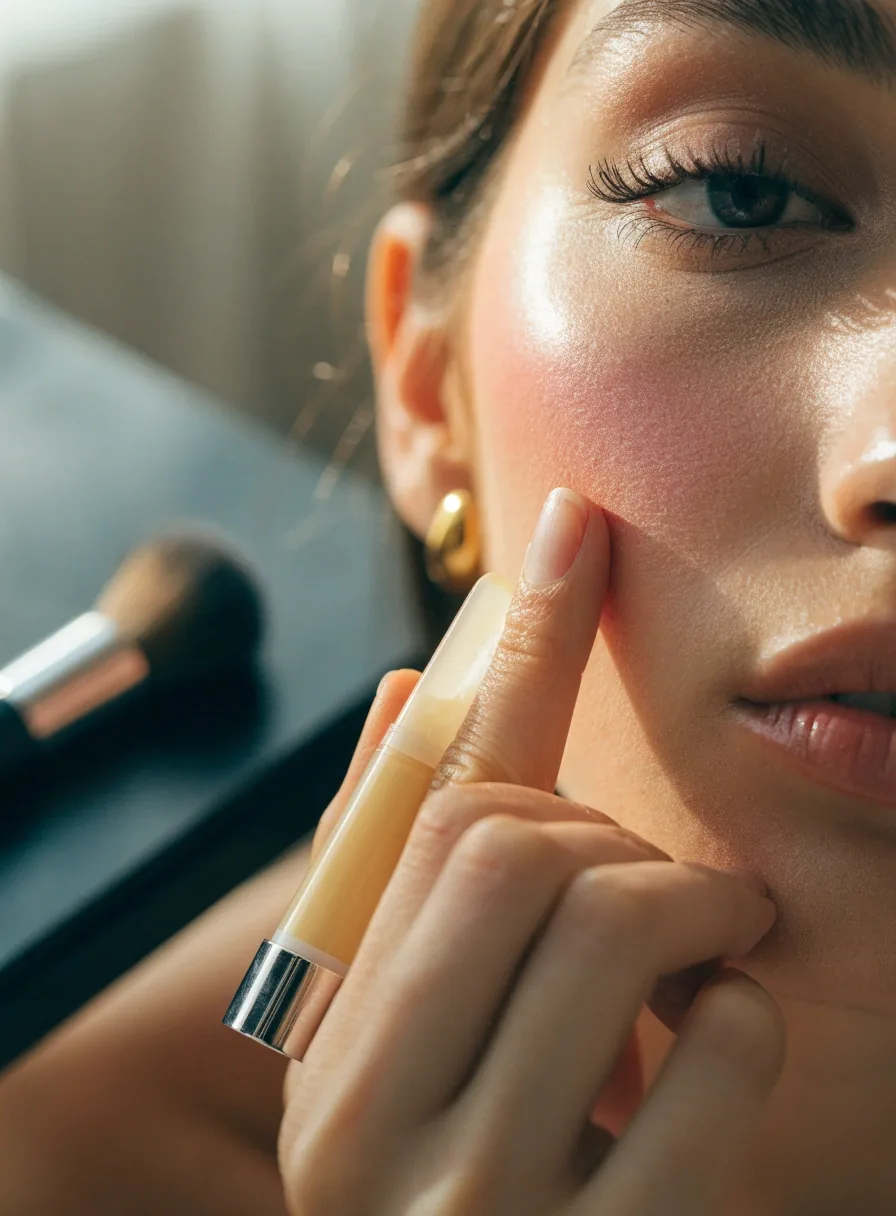
A cream-to-powder makeup stick being tapped onto a cheekbone in natural window light

The Multiple in practice

How to Use The Multiple Stick

One cream-to-powder stick for cheeks, lips, eyes, and body. This is how the formula behaves, where each placement works, and what to check before you build a routine around it.

What the formula does

Cream goes on. Powder stays.

Cream-to-powder means the product goes on like a cream and dries down to a powder finish. That combination is why it does not slide once it sets, and also why you have to blend quickly. Work one area at a time rather than dotting your whole face before you start. The window for blending is real but short.

This is the detail most people learn the hard way. A cream that stays creamy stays moveable; a cream that sets stops moving on its own terms. The Multiple gives you roughly the time it takes to tap and sweep one cheek before the surface stops accepting your finger. Split the face into four small jobs and the finish looks even every time.

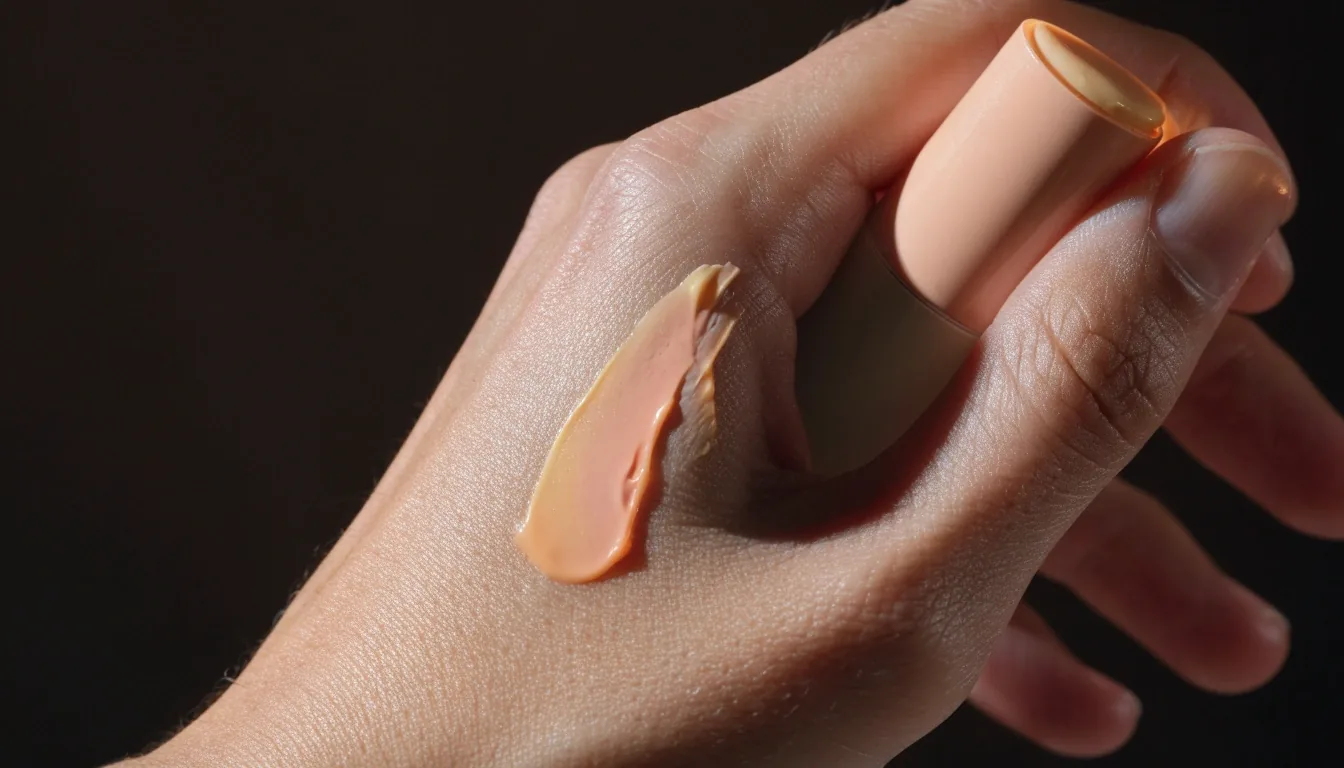
It also explains the texture you feel in the stick itself. In a warm room the product feels soft and picks up quickly on the fingertip. In a cold room it feels firm and drags, which is not a fault in the product. Warming the surface on the back of your hand restores the phase the formula was designed to work in, and the color then applies the way it does in summer.

Four placements, one stick

NARS lists The Multiple as usable on cheeks, lips, eyes, and body. Each placement asks for a different amount, a different tool, and a different order of operations. Read the one you are working on and ignore the rest until you get there.

Cheeks

The placement everyone starts with

Tap the stick onto the apples of your cheeks, then blend upward toward the temple with your fingers. Warm the product on the back of your hand first if the stick feels firm, which happens in cold weather. Build in thin layers; cream-to-powder formulas set fast and do not blend out as easily once they have.

Blend up and out rather than down. The hairline and the temple are where a cheek color either looks placed or looks like it arrived by accident. If you can still see a distinct edge after ten seconds, you are already at the limit of the blending window.

Lips

A wash of color, not coverage

Used on lips, it gives a soft wash of color rather than full coverage. Apply directly from the stick or pick up color with a fingertip and press it on. It will feel drier than a balm because the formula is designed to set, so many people layer a balm over it. That combination gives color plus comfort.

Press rather than drag. The lip surface is thinner than a cheek and dragging lifts the product before it has a chance to settle. A fingertip gives you more control over how much lands, which matters when you want the color to read as a tint.

Eyes

A quick lid wash before it sets

On the eyes it works as a quick wash of color across the lid. Use a small amount and blend with a fingertip before it sets. Because the formula dries to a powder finish, it can crease on oily lids if you apply too much. A thin layer plus a light setting powder over the top handles that.

Keep it off the crease itself unless you are setting it. The lid is where the product behaves; the fold is where it gathers. If your lids are oily, decide before you start whether this placement is worth the extra setting step.

Body

Shoulders and collarbone

The body placement is the one people forget. A small amount on the shoulders or collarbone adds a soft flush of color that matches the face, which is useful in summer or for occasions where you want continuity between face and body. Keep the layer light; a heavy application on the body is difficult to correct.

Work in daylight if you can. Indoor light flattens the difference between a light flush and a stripe, and the body is where that difference shows most in photographs.
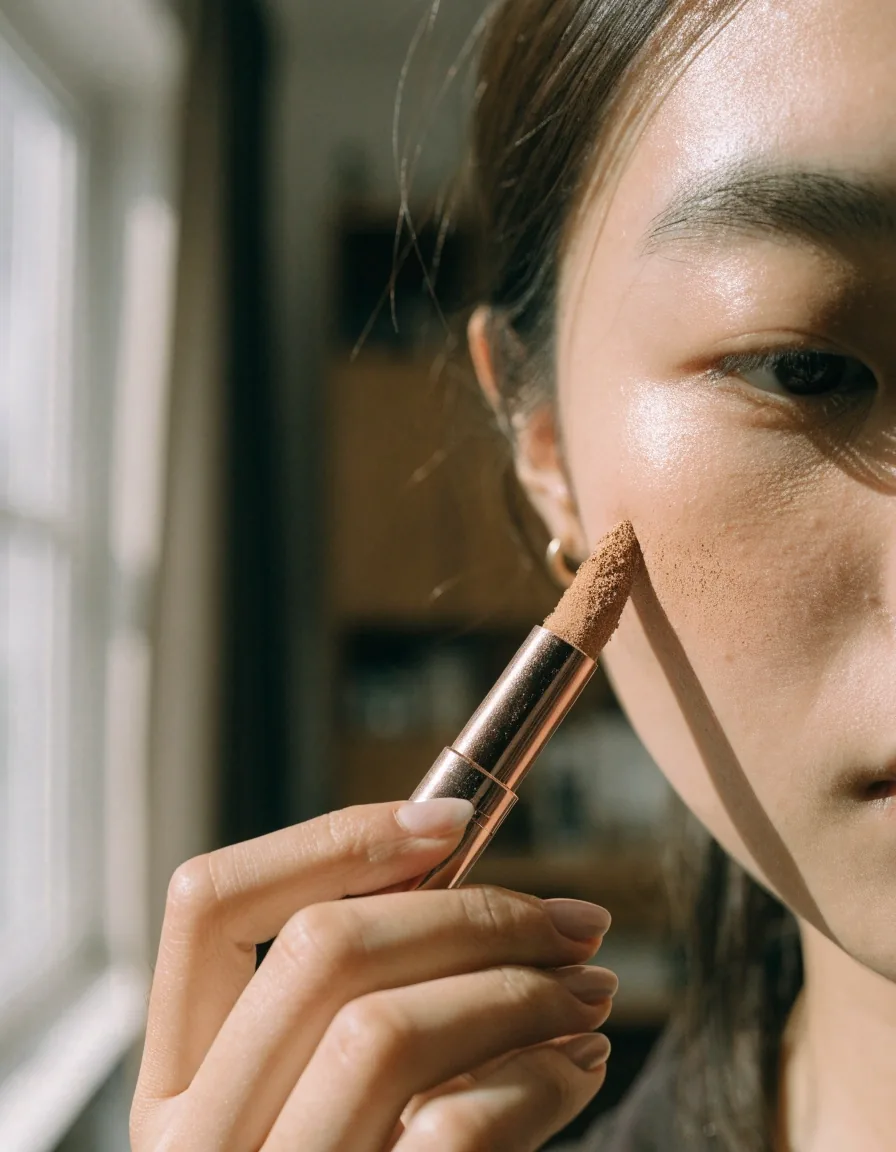
A makeup artist warming a cream blush stick on the back of her hand before applying

A cream-to-powder stick gives you seconds, not minutes. Work one area at a time and the finish stays where you put it.

The rule that fixes most patchy results

Which shades work where

Deeper shades read as a strong cheek color and a soft lip tint. Lighter shades work on cheeks and as a subtle eye wash. If you want one stick for everything, a mid-tone that sits close to your natural flush is the safest choice, because it will not look heavy on lips or eyes.

Think of it as one color doing four jobs at different strengths. The same shade that looks like a soft tint on the lip can look like a full cheek color on the face, because the surface underneath changes how much pigment reads. A shade that already matches your natural flush is the one that survives all four placements without a second thought.

How shade depth reads across cheeks, lips, eyes, and body
Shade depth Cheeks Lips Eyes
Light Soft flush, easiest to control Barely reads; balm over it helps Subtle wash, hard to overdo
Mid-tone Natural-looking color Reads as a soft tint Works with a light setting powder
Deep Strong, build in thin layers Soft lip tint with real color Easily too much; use a trace

Depth is relative to your own coloring. The row that matters is the one closest to your natural flush.

A cream blush stick, dense synthetic brush, and fingertip on a dark surface beside a sponge set aside

Blending tools

Fingers are the most practical tool here because body heat helps the cream phase. A dense synthetic brush also works for cheeks and gives a slightly more diffused edge. Sponges tend to absorb more product than the job requires. Whichever you use, clean it between placements if you are moving from cheeks to lips.

Fingertips
Best all-rounder. Warmth softens the cream phase and you feel the product setting under your finger, which tells you when to stop blending.
Dense synthetic brush
Useful on cheeks when you want a softer edge. Pick the product up from the stick rather than the face, then sweep once and stop.
Sponge
Drinks more product than the placement needs. If you use one, damp it and press rather than drag, and accept that the layer will read lighter.

Order matters when you layer with powder

Cream-to-powder sticks sit well under powder blush or powder bronzer if you want more intensity, but the order matters. Apply the stick first, let it set, then add powder on top. Powder applied first creates a surface the cream cannot grip, and the color will move around instead of staying where you put it.

The order that works

  1. 1Base and any liquid products, fully set.
  2. 2The Multiple on cheeks, blended and left to dry down.
  3. 3Powder blush or bronzer pressed over the top.

Wear, touch-ups, and who it suits

Once set, the finish holds reasonably well through a normal day, though it will fade faster on oily skin or in humidity. Touch-ups are easy: a small amount tapped over the faded area, blended with a finger. Because the product is compact, keeping it in your bag for that purpose costs almost no space.

Who it suits

It suits anyone who wants one product to do several jobs, and it suits people who prefer applying makeup with their hands. It is less suited to anyone who wants a lot of coverage from a cheek product, since the finish is soft rather than opaque. If you want a strong blush look, a powder formula will get you there faster.

Where it is less useful

Anyone building a full-coverage base, or working on very oily lids without setting powder, will find a powder cheek product or a dedicated eye formula easier to control. The Multiple is a compact, hand-applied product; treat it as that rather than as a replacement for everything in the bag.

Common mistakes

Three habits that cause patchy results

Almost every complaint about a cream-to-powder stick traces back to one of these three, and all three are fixable without changing the product you already own.

  1. 1

    Applying too much at once

    Then trying to blend it out after it has set. Once the powder phase is reached, the product stops moving the way a cream does. Two thin passes beat one heavy one every time.

  2. 2

    Working over a wet base

    Using it over a wet or freshly moisturized base stops it from gripping. Let skincare settle for a few minutes, or blot before you start. The stick needs a surface it can hold on to.

  3. 3

    Skipping the warm-up

    Skipping the back-of-hand warm-up in cold weather is the usual reason a stick feels dry and patchy in winter. Ten seconds of hand warmth brings the formula back to the phase it was designed for.

A small makeup pouch with a multi-use stick, a balm, and a compact concealer arranged beside it on a dark table

How it fits a small routine

Four products, one workday face

A base, a concealer, this stick on cheeks and lips, and a balm if you want comfort. That is a full face from four products. Add a Single Eyeshadow if you want more definition, and you have covered a workday look without a palette or a set of brushes.

For readers working through NARS beauty products, this is the clearest example of the multi-use format: one stick that carries cheek color, lip tint, and a lid wash, then goes back in the bag for touch-ups. Nothing in the routine needs a brush, and nothing needs a mirror you do not already have.

Questions we get about The Multiple

Short answers to the four things readers ask most about this stick and how it behaves on the face.

Can The Multiple really be used on eyes and lips?

Yes. It is described as usable on cheeks, lips, eyes, and body, with a cream-to-powder formula that sets after application. Each placement takes a different amount, so the stick reads as a tint on the lips and a fuller cheek color on the face.

Why does it feel dry when I apply it?

The formula dries to a powder finish by design. Warm it on the back of your hand first, especially in cold weather, and it applies with the glide people expect. If it still drags, the surface underneath is probably too wet or too slippery.

Does it work over foundation?

Yes, as long as the base has set. Applying it over a wet or freshly moisturized base stops it from gripping. Give foundation a minute, then tap the stick on with a light hand and blend upward.

Can I layer powder blush over it?

Yes. Apply the stick first, let it set, then add powder on top for more intensity. Powder goes on last because it needs a surface to sit on, and the set cream gives it one. Reverse the order and the color will shift around during the day.

Where to go next

If you are building a routine around NARS makeup, these guides cover the products that sit next to The Multiple in the bag. Each one goes deeper on a single placement or finish so you are not guessing from a photo.

Ask about a placement

Not sure whether The Multiple suits your skin type or your routine? Send us the placement you have in mind and what you normally wear underneath it, and we will point you to the guide or the product that fits.

Address:
482 Broadway, Suite 3B, New York, NY 10013, USA
Hours:
Monday–Friday, 9:00 AM – 6:00 PM
Ask about a placement