
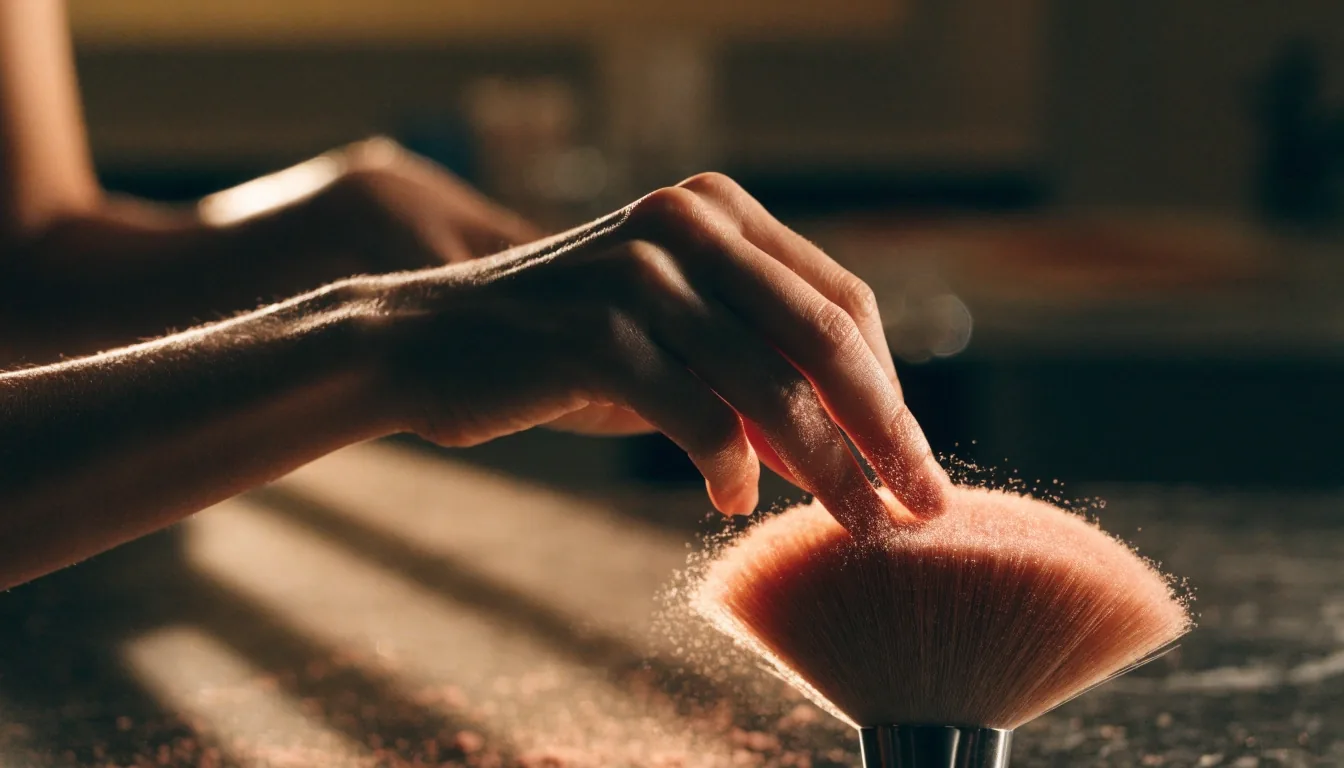
Orgasm blush shade guide
Understanding the Orgasm blush shade
A peachy-pink with a luminous finish, and the one NARS shade most people meet first. Here is what the color actually does on skin, who it tends to suit, and how little effort it takes to wear.
Why this shade gets asked about
The blush people recognize before the brand
Orgasm is the NARS shade most people know before they know anything else about the label. It sits in the middle of the peachy-pink range, carries a soft luminous reflection, and has become one of the best-known shade names in prestige beauty. That recognition makes it easy to buy and surprisingly easy to get wrong, because the color does not look identical on every face.
This guide stays on one job: explain what the shade is, how the luminous finish behaves, where it fits in a short routine, and what to check before you commit. If you are comparing it against other NARS beauty products for cheeks and lips, the sections below follow the order most readers actually ask about.
What the shade looks like
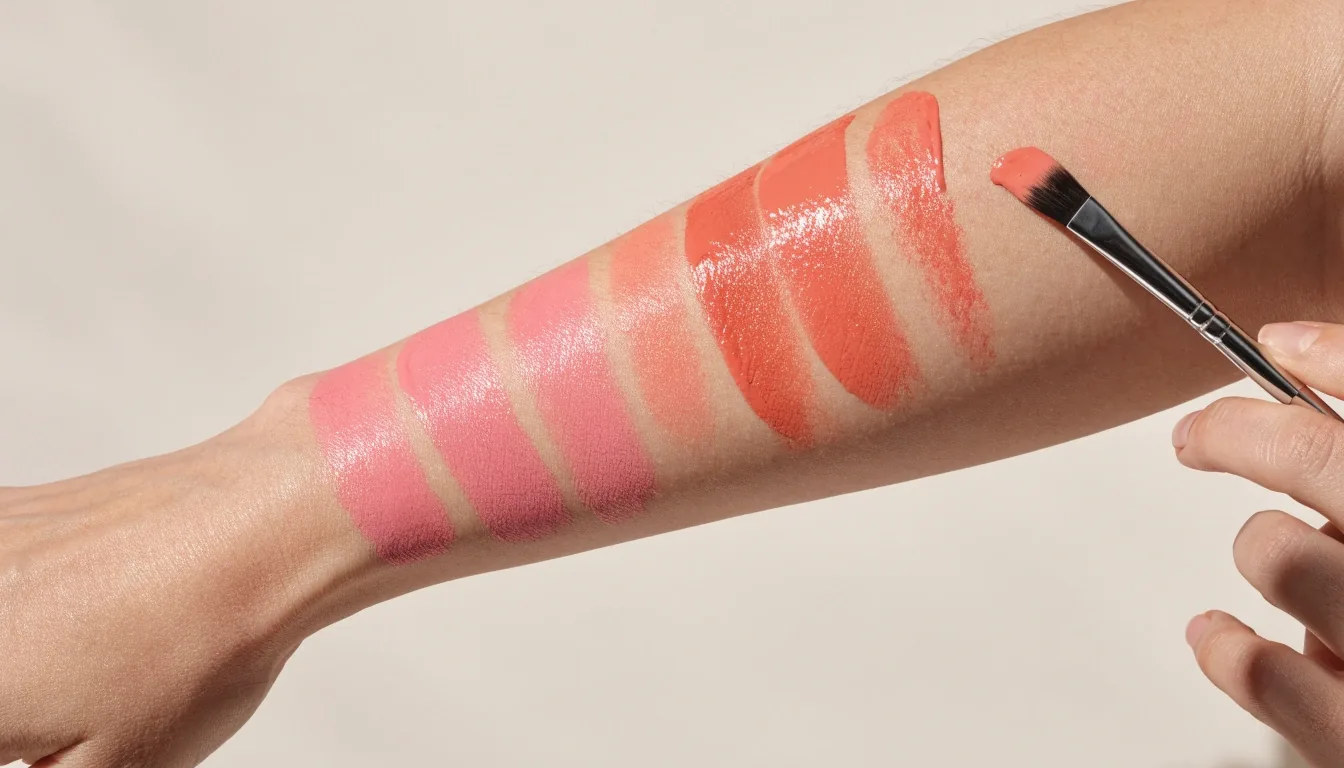
Peachy-pink sits between a warm coral and a cool rose. On skin, that middle position is why the shade reads differently across undertones: cooler complexions pull the pink forward, warmer complexions pull the peach. The luminous effect adds a soft reflection rather than visible glitter, so the finish looks lit rather than sparkly.
A useful way to think about it: the powder reflects light across the surface of the cheek instead of sitting flat on it. That single behavior explains most of the difference between this blush and a standard matte one, including why it behaves so differently on dry skin.
-
Warm undertones
The peach leads and the color reads as a natural flush, close to a light sun flush rather than a made-up pink.
-
Cool undertones
The pink steps forward and the shade looks more rose than coral, which changes how much you want to build.
-
Deeper skin tones
A light hand builds color without the shade turning ashy, which is a common failure point for pale pinks.
Why it stayed
Most colors have a moment. This one kept being referenced.
The shade name is memorable, which helps. But it survived because the color works across a wide range of skin without much adjustment, so it kept appearing in cheek and lip-adjacent shade references across the brand. Repetition did the rest, and that is why it still comes up when readers ask about nars makeup finishes and shade families.
Finish and texture
What luminous actually means on skin
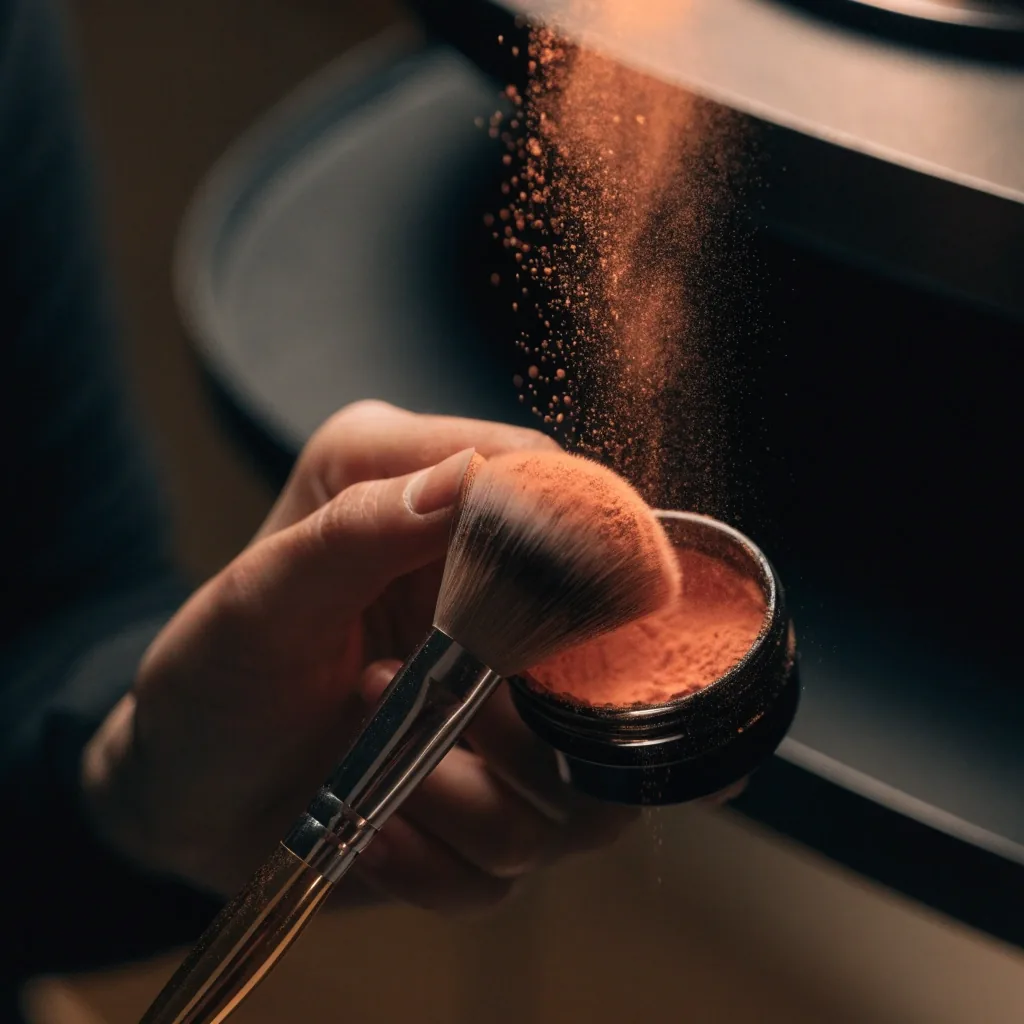
Luminous means the powder reflects light softly. That is different from a flat matte blush, which absorbs light and can look duller on dry skin, and different again from a high-shimmer formula, which shows visible particles. The middle ground is why this shade works for both minimal and full makeup looks.
Luminous
Reflects light across the cheek. Reads as lit, not sparkly.
Matte
Absorbs light. Can look duller on dry or textured skin.
High shimmer
Shows visible particles. A different look entirely.
Who it tends to suit
Peachy-pink flatters many undertones, but the effect changes. Test it on your cheek, not your wrist.
Warm undertones
Reads as a natural flush. You can wear one layer for daytime and barely change anything for evening.
Cool undertones
The pink becomes more visible, so the shade leans rose. Build in thinner layers than you would on a warmer face.
Neutral undertones
Usually the most forgiving pairing, because neither the pink nor the peach dominates and the finish carries the effect.
Deeper skin tones
A light hand builds the color without it turning ashy. Start sheer, then decide whether a second layer is warranted.
Dry or textured skin
The luminous finish generally sits better than matte powder, because it reflects across texture instead of settling into it.
How to apply it
Four small habits separate a natural flush from a heavy patch of color. None of them require a new product.
-
Tap off the excess first
A dense brush straight from the pan deposits too much at once. Tap the bristles against the rim before the brush touches your face.
-
Blend upward, not down
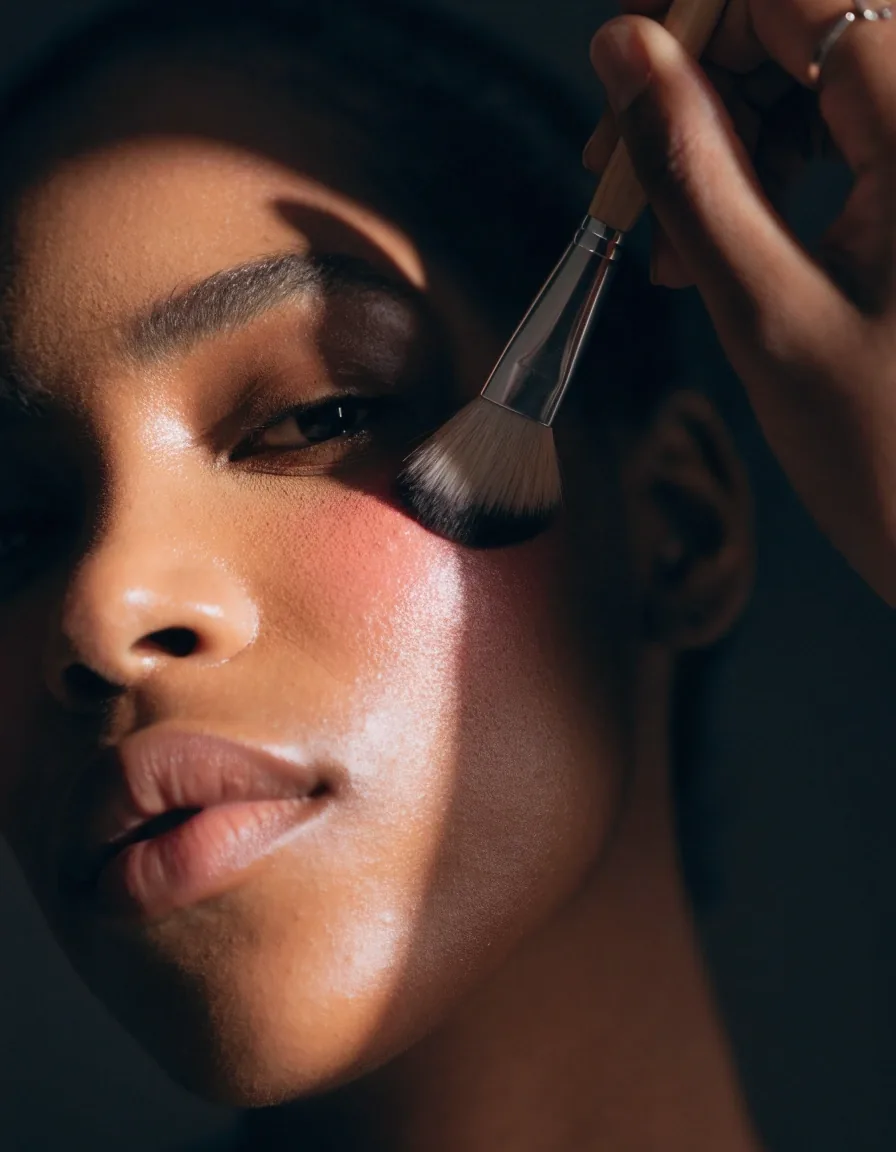
Apply to the apples of the cheeks and blend slightly upward toward the temple. Sweeping downward drags the color, and the eye line, with it.
-
Build in two thin layers
One heavy layer is harder to correct than two light ones. Stop, look in daylight, then decide if the second layer is needed.
-
Soften with translucent powder
If the finish looks too strong, a light dusting of translucent powder takes the edge off without removing the color.
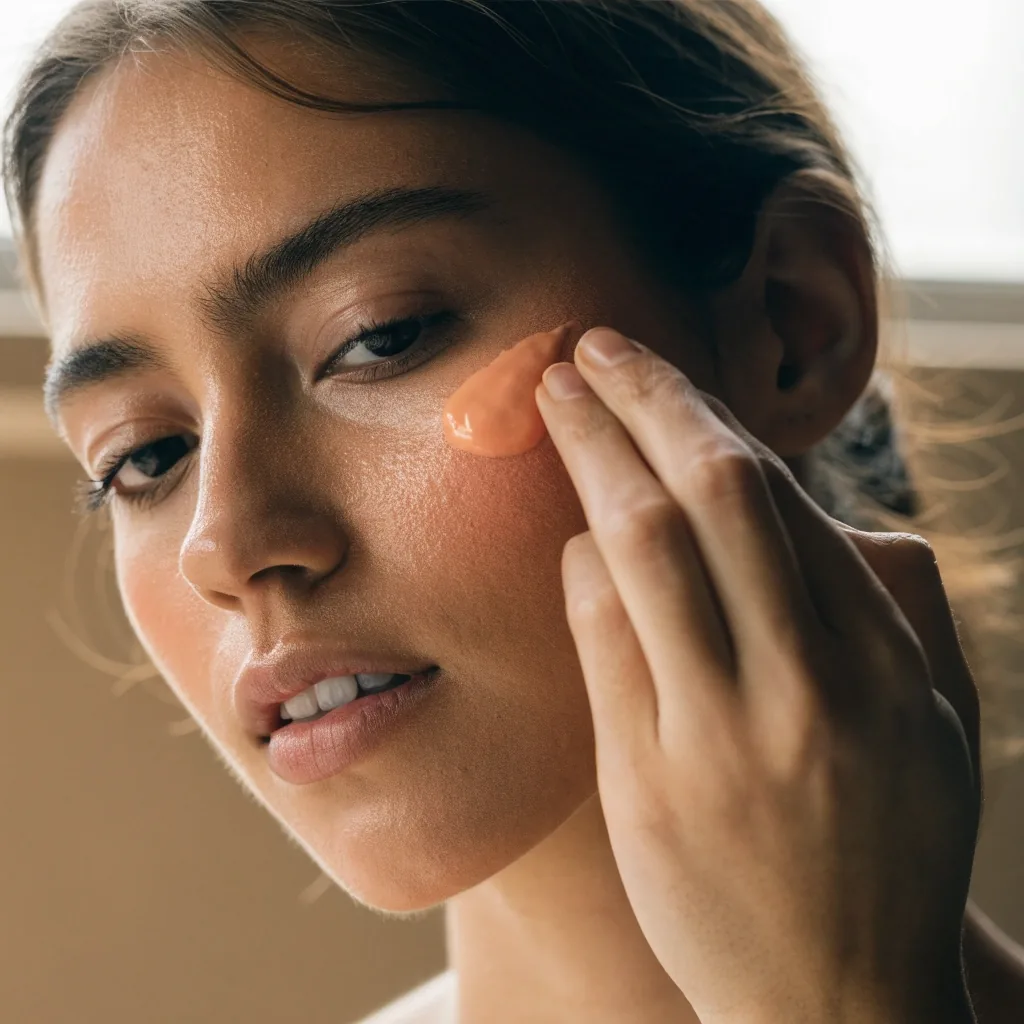
Blush for dry or textured skin
Dry skin and visible texture are where powder formulas get tricky. Luminous finishes generally sit better than matte ones because they reflect light across the surface rather than settling into it. If texture is your main concern, apply with a soft brush and a light hand, and consider a cream or cream-to-powder cheek product underneath for a smoother base.
One practical note: the more matte your base is, the more the luminous cheek stands out. On very dry skin, layering a cream blush under this powder keeps the finish from catching on flakes.
Shade families
Cheek and lip direction
The shade name extends across the brand's cheek and lip-adjacent references, so it helps to read the family as a group rather than a single item. Two directions work well.
Keep the look coherent
If you like the peachy-pink direction on your cheeks, the same direction on lips keeps the whole face reading as one idea. Easy for daytime and hard to get wrong.
Add contrast instead
Pair the cheek shade with a deeper lip. The softness on the cheek makes a stronger lip color look deliberate rather than heavy.
If you want to see how a single multi-use stick carries the same peachy direction across cheeks, eyes and lips, the journal walks through that separately. It is a useful next stop once the cheek shade makes sense.
See how The Multiple is usedDaytime versus evening use
The same shade covers both, but the technique changes. In daylight one light layer reads as a natural flush. For evening, build a second layer and add a luminous highlighter above it rather than applying more blush. That keeps the color from turning heavy while still catching light in a dim room.
Daytime
One light layer
Applied with a soft brush and blended upward. Check it in daylight before you leave, since indoor lighting shifts peach toward orange.
Evening
Second thin layer plus highlighter
Add the extra layer first, then place highlighter above the cheekbone. This catches light without piling more color onto the face.
Common mistakes
Three show up repeatedly, and each one is easy to correct once you know what to look for.
Applying with a dense brush straight from the pan
It deposits too much pigment in one pass. Tap the brush first, then build if you need more.
Placing color too low on the cheek
It pulls the face down. Keep the placement on the apples and blend toward the temple.
Judging the shade under warm indoor lighting
Peach reads more orange indoors than it will outdoors. Check the color near a window before deciding.
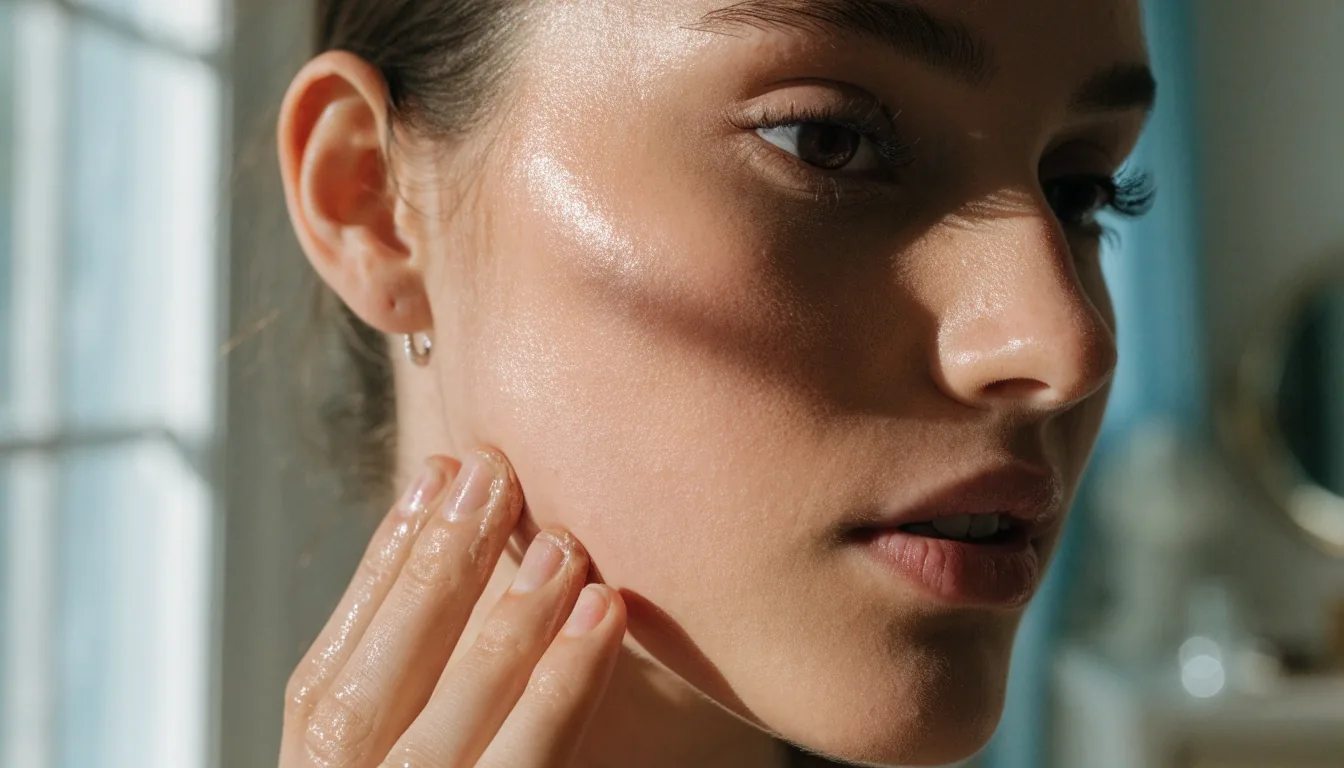
Pairing with complexion products
Blush sits on top of your base, so the base finish changes how it looks. Over a matte foundation the luminous effect stands out more. Over a radiant or hydrating base the whole face glows, which some people want and others do not. If you want balance, keep the base matte and let the cheek carry the light.
Over a matte base
The luminous finish is the only light source on the cheek, so it reads clearly and stays controlled.
Over a radiant base
The whole face glows. Great if that is the look you want; otherwise keep the base matte.
Building a routine around it
A simple routine: base, concealer where needed, this blush on the cheeks, and a tinted balm on the lips. That is four products and roughly three minutes. If you want the glossy version, swap the balm for a high-shine gloss and keep everything else the same. The shade does most of the work.
Base and concealer where you need it.
This blush on the cheeks, built in thin layers.
A tinted balm on the lips to close the look.
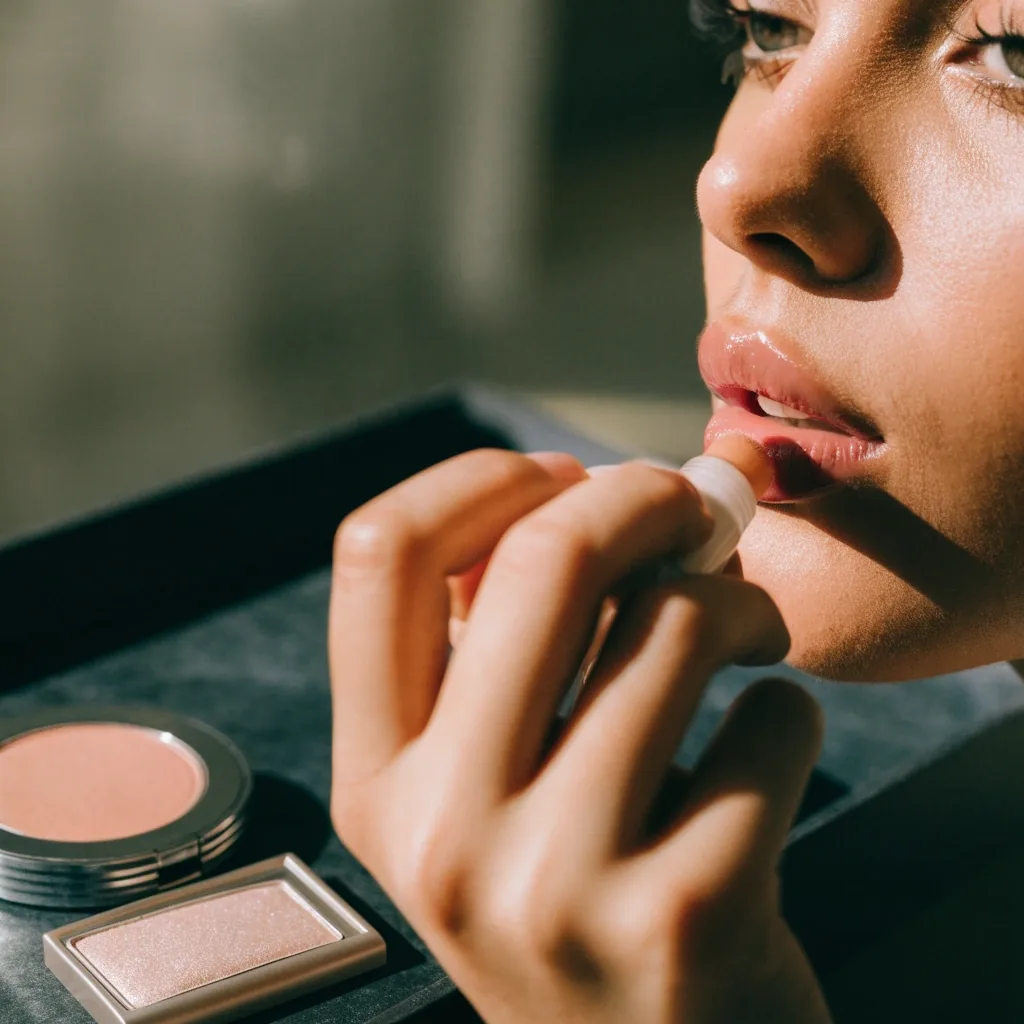
Four products, roughly three minutes. If you already own the base and concealer, this shade is the only new piece.
What to check before buying
Three quick checks answer most of the doubt. Do them in this order and you will know whether this is the right cheek shade for you.
-
Confirm the finish suits your skin type
If your cheeks are dry or textured, the luminous finish is the safer starting point. If you prefer a flat matte look overall, this may not be the shade for you.
-
Check the color in daylight
Warm indoor light makes peach read more orange. Step near a window before you decide.
-
Decide on the family, not just the single item
Decide whether you want the cheek version only, or the lip-adjacent family as well. Buying both at once is only worth it if you actually wear lip color.
Questions readers ask about this shade
Is Orgasm blush a warm or cool shade?
It is a peachy-pink, so it sits between the two. Cooler undertones pull the pink forward and warmer undertones pull the peach.
Does the luminous finish look glittery?
No. It reflects light softly rather than showing visible shimmer particles.
Is it suitable for dry or textured skin?
Luminous finishes generally sit better on dry skin than flat matte powders. Apply with a light hand and a soft brush.
Can I wear it in the evening?
Yes. Build a second thin layer and add a highlighter above it rather than applying more blush.
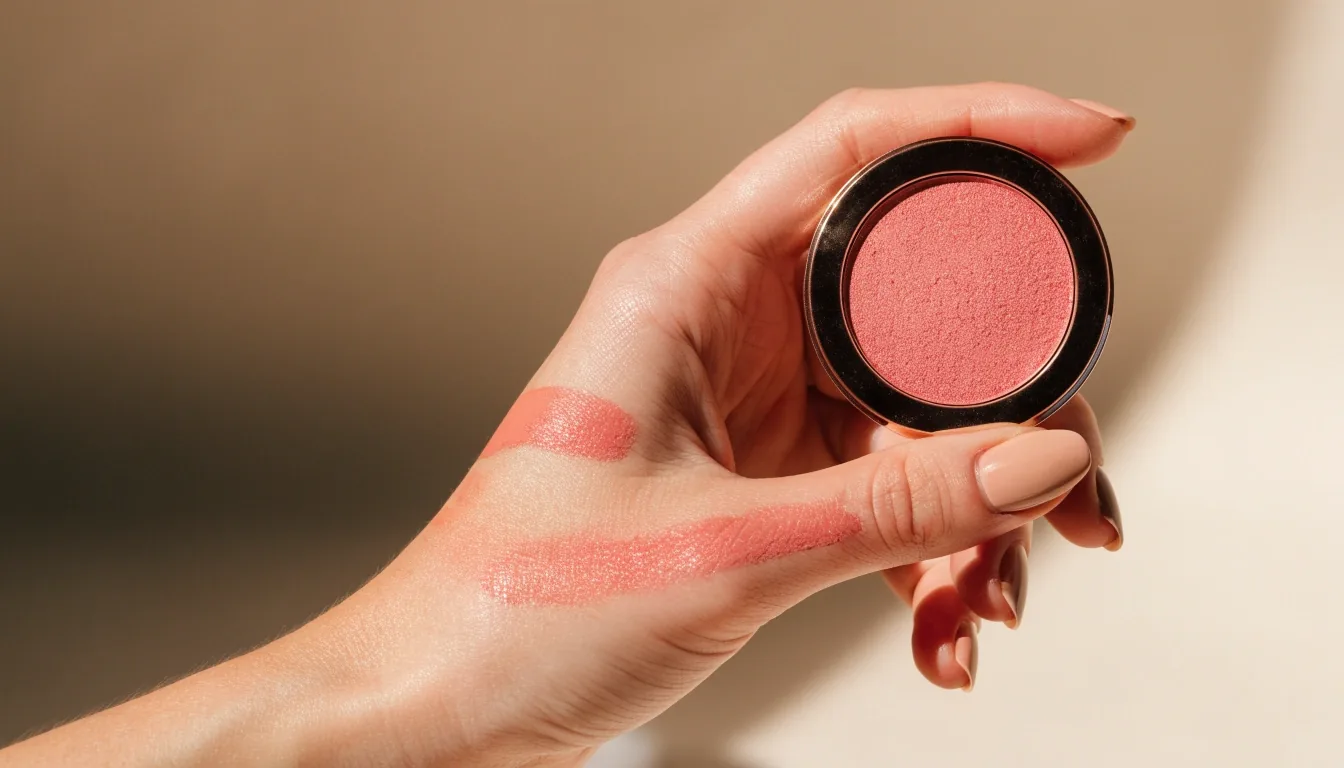
Still deciding, or comparing against another finish?
If your question is about a specific finish, skin type, or how this shade sits next to another one, write to the journal and we will point you to the right guide. We answer questions about NARS beauty products and finishes during weekday hours.